
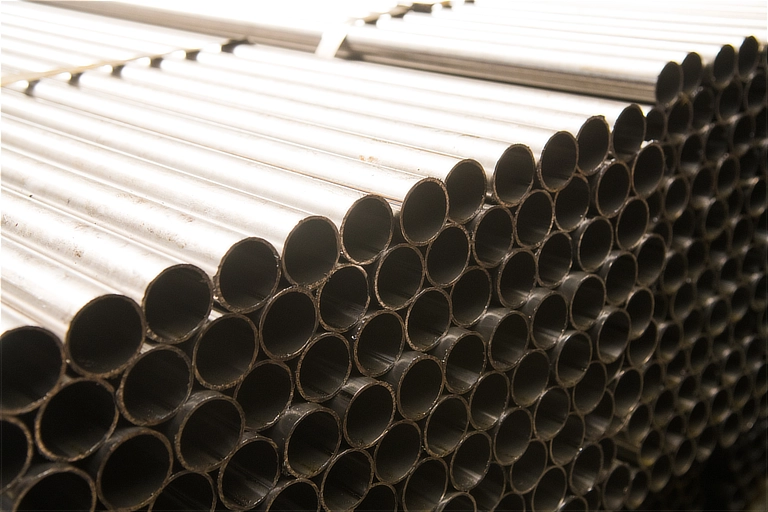
When it comes to strength, versatility, and lightweight performance, few materials compete with aluminum tubing. Whether you’re building structural frames, custom fabrication projects, or architectural features, choosing the right aluminum tubing size and shape can have a major impact on the final result.
For fabricators, contractors, builders, and manufacturers, understanding how aluminum tubing works, from sizing to application, can save time, reduce waste, and improve performance. In this guide, we’ll break down what you need to know about aluminum tubing sizes, profiles, and how to choose the right material for your next project.
Understanding Standard Aluminum Tubing Sizes and Profiles
Not all aluminum tubing is the same. Sizes and profiles vary depending on the project, load requirements, and fabrication method, which is why understanding the basics is so important before ordering material.
Some of the most common aluminum tubing profiles include:
- Round tubing
- Square tubing
- Rectangular tubing
Each type of aluminum tubing offers different advantages. Round tubing is often chosen for its smooth appearance and even distribution of stress. Square tubing is popular for fabrication and framing because its flat sides make it easier to join, mount, and weld. Rectangular tubing is often used when a project needs more strength across one axis or a more specific structural profile.
When reviewing aluminum tubing sizes, there are a few key dimensions to pay attention to:
- outside diameter or overall width
- wall thickness
- overall length
For round aluminum tubing, sizing is typically listed by outside diameter and wall thickness. For aluminum square tubing or rectangular tubing, the dimensions are usually shown as width x height x wall thickness. These measurements affect everything from strength and weight to fit and fabrication efficiency.
Standard aluminum tubing sizes are often preferred because they are easier to source, more cost effective, and typically available with shorter lead times. If your project allows for it, using standard aluminum tube dimensions can simplify purchasing and reduce fabrication delays.
Aluminum Round Tubing vs Aluminum Square Tubing for Different Applications
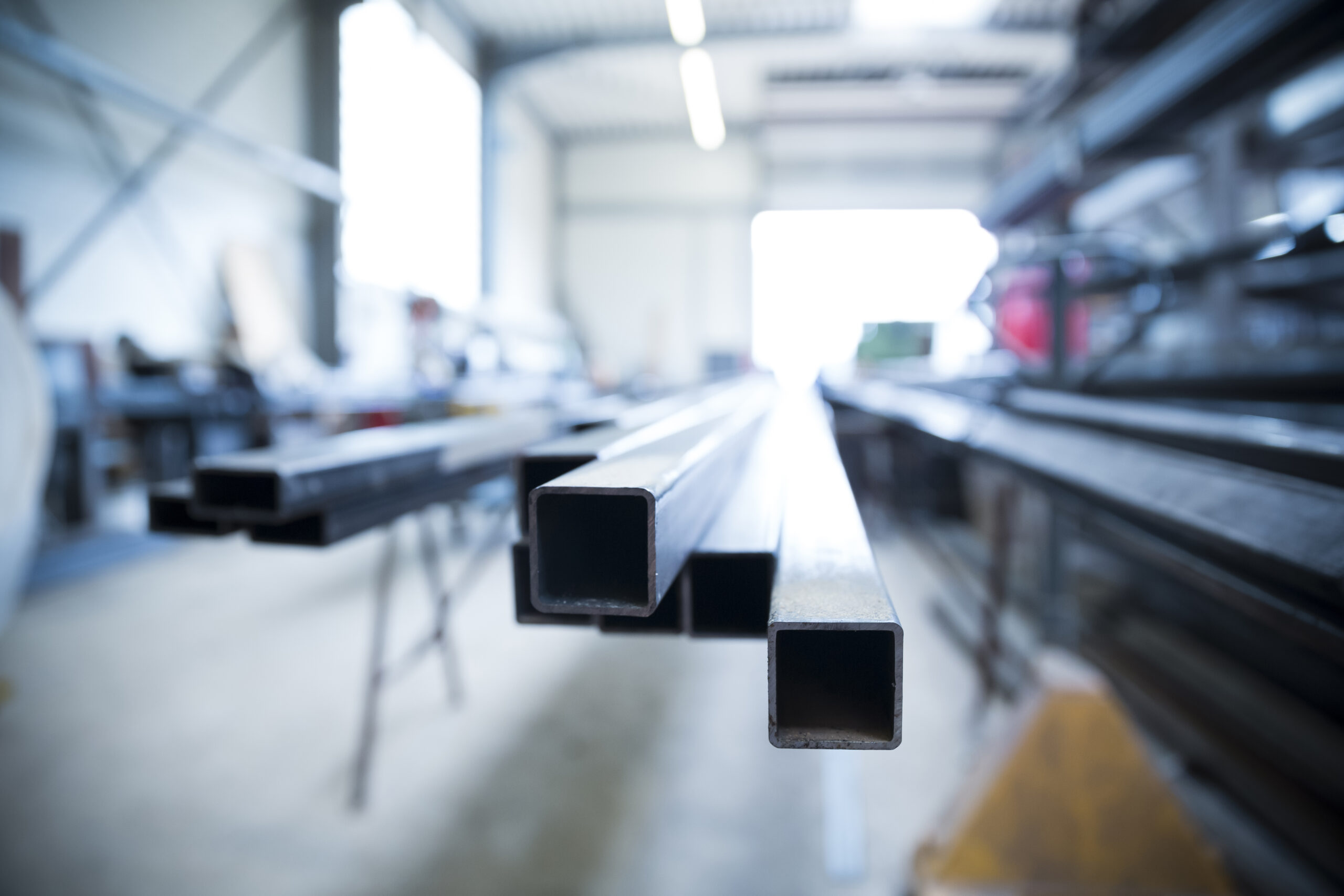
Choosing between aluminum round tubing and aluminum square tubing often comes down to the specific demands of the job. Both are useful, but they perform differently depending on the application.
Aluminum round tubing is commonly used when appearance, flow, or resistance to twisting matters. Its circular shape distributes force evenly, which can make it a strong option for handrails, frames, transportation parts, and certain mechanical applications. It also tends to have a cleaner, more streamlined look, which is why it is often used in visible or design-focused projects.
Aluminum square tubing is usually the better choice for structures that need flat mounting surfaces or strong, stable corners. It is commonly used for frames, support systems, tables, enclosures, trailers, and racks. Because it is easier to align and fasten, aluminum square tubing is often preferred in fabrication shops and custom builds where speed and practicality matter.
In simple terms:
- Choose aluminum round tubing for smooth lines, balanced stress distribution, and curved or exposed designs
- Choose aluminum square tubing for framing, easy connections, and rigid structural layouts
The best option depends on how the aluminum tubing will be used, what loads it needs to handle, and how important appearance is to the finished build.
How to Choose the Right Aluminum Tube for Fabrication and Framing
- Selecting the right aluminum tube is about more than just picking a shape. The best aluminum tubing for one project may be completely wrong for another, so it helps to think through the practical details before buying.
- Start with the intended use. If the aluminum tubing is supporting weight, the wall thickness and profile become especially important. Thicker walls can improve durability and load capacity, while larger dimensions may help with rigidity across longer spans.
- Next, consider the fabrication process. Will the aluminum tubing need to be cut, welded, drilled, bent, or machined? Some projects demand tighter tolerances or cleaner finishes, and that can affect the ideal product choice. A fabricator building a custom frame may need very different aluminum tubing sizes than a contractor installing architectural railings.
- It also helps to think about the environment. One of the main benefits of aluminum tubing is its corrosion resistance. That makes it a smart option for outdoor use, humid environments, and applications where rust would be a concern with other materials.
- Weight matters too. Aluminum tubing gives builders and fabricators a way to reduce overall weight without sacrificing performance. This is especially valuable in transportation, mobile equipment, and custom fabrication projects where every pound matters.
A good rule of thumb is to ask these questions before ordering your aluminum tubing:
- What load does the aluminum tubing need to handle?
- Will it be used indoors or outdoors?
- Does it need to be welded or machined?
- Is weight reduction important?
- Can a standard size work, or is a custom cut needed?
The more clearly you answer these questions, the easier it becomes to choose aluminum tubing that fits both your design and your budget.
Common Uses for Aluminum Metal Tubing in Custom Builds
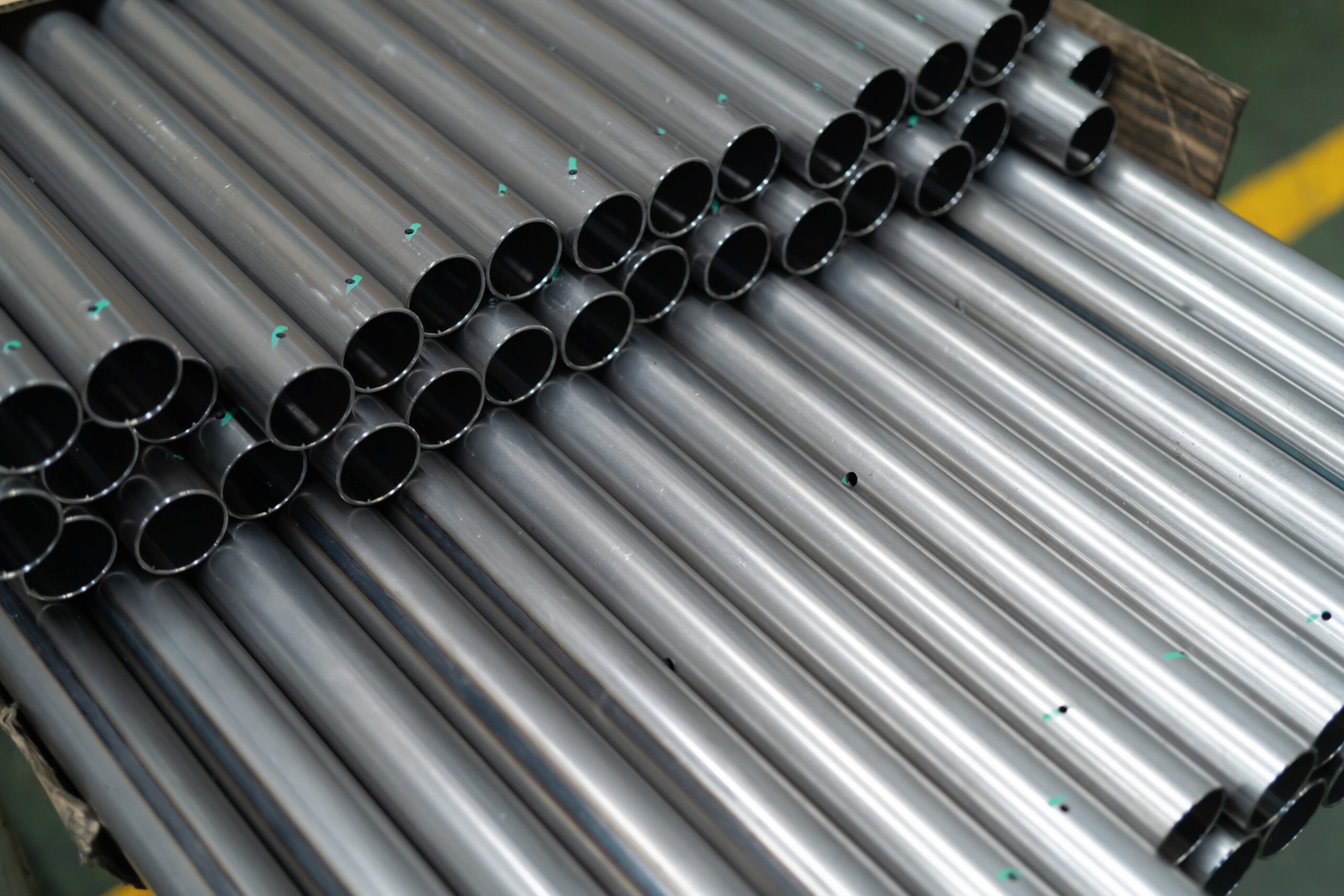
One of the biggest reasons aluminum metal tubing is so popular is its flexibility. It works well across a wide range of industries and projects, from industrial builds to small custom jobs.
Common uses for aluminum tubing include:
- equipment frames
- machine guards
- trailers and transport components
- architectural details
- shelving and storage systems
- display structures
- custom furniture
- railings and supports
Because aluminum tubing is lightweight and relatively easy to work with, it is often used in projects where steel may be too heavy or harder to manage. Fabricators also like aluminum tubing because it offers a good balance of strength, appearance, and corrosion resistance.
For custom builds, aluminum tubing is especially useful because it can be adapted to many different designs. A builder might use aluminum square tubing for a rigid base frame, aluminum round tubing for exposed detail work, and other aluminum tubes for functional supports or lightweight structural elements. That kind of flexibility makes aluminum tubing a dependable material for one-off jobs and repeatable production work alike.
Why Millennium Alloys Is a Trusted Source for Aluminum Tubing
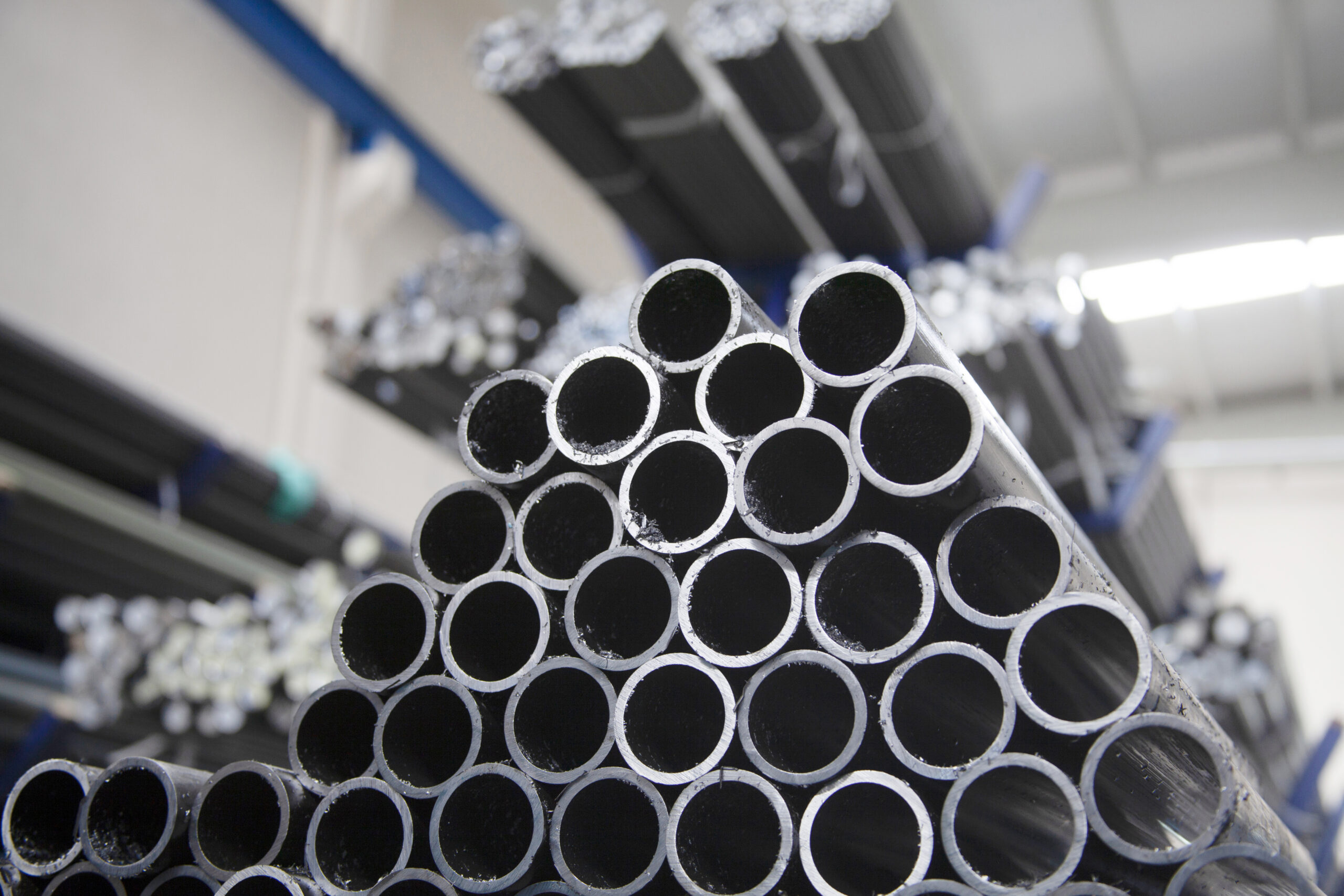
Finding the right material is only part of the process. The supplier you choose also plays a major role in how smoothly your project moves forward. Millennium Alloys is positioned as a knowledgeable, helpful, and relationship-focused supplier with strong product and application knowledge, flexibility, and responsiveness. The company’s brand strategy also highlights fast fulfillment, custom options, and dependable service for customers who need practical solutions.
That matters when sourcing aluminum tubing. Customers often need more than just raw material. They need guidance on aluminum tubing sizes, support choosing between profiles, and access to product options that suit the real demands of fabrication and framing work.
Working with a trusted source like Millennium Alloys can help simplify the buying process by providing:
- access to a range of aluminum tubing sizes and profiles
- support for custom orders and cut-to-size requirements
- knowledgeable recommendations based on application
- dependable service and responsive communication
For fabricators, contractors, and business owners, that kind of support can make a real difference. It helps reduce mistakes, saves time, and makes it easier to get the right aluminum tubing for the job the first time.
Final Thoughts
Choosing aluminum tubing for fabrication, framing, and custom builds starts with understanding the basics. Once you know how aluminum tubing sizes, wall thickness, and profiles affect performance, it becomes much easier to select the right material with confidence.
From aluminum round tubing for streamlined applications to aluminum square tubing for rigid frameworks, the right choice depends on how the material will be used and what your project demands. With the right supplier and the right product, aluminum tubing can deliver the strength, flexibility, and long-term value that builders and fabricators need. For businesses looking for dependable materials and practical support, Millennium Alloys offers a strong starting point for sourcing aluminum tubing that fits the job. Contact us today to find the right aluminum tubing for your project and get expert support from the Millennium Alloys team.