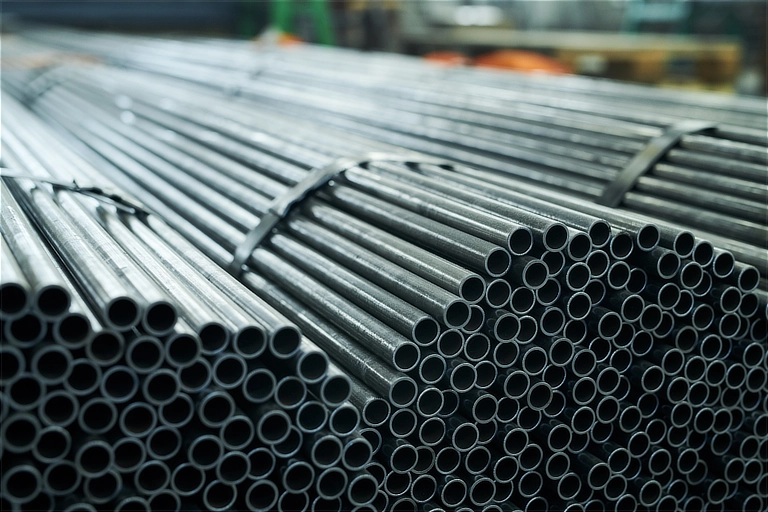
When a project calls for strength, consistency, and clean machining performance, the type of steel tubing you choose can make a meaningful difference. From custom fabrication and automotive components to industrial machinery and precision-built frames, material selection affects how efficiently a job moves from drawing board to finished product. That is where drawn over mandrel tubing, commonly called DOM tubing, comes in.
DOM steel is widely valued for its dimensional accuracy, smooth finish, reliable wall thickness, and strong mechanical properties. It is often selected when standard welded tube is not precise enough, yet a project does not necessarily require the added cost of true seamless tubing.
This guide explains what drawn over mandrel tubing is, how it is made, where it performs best, and what to consider before ordering DOM steel for your next project.
Understanding Drawn Over Mandrel Steel Tubing
Drawn over mandrel refers to a manufacturing process used to improve the dimensions, surface quality, and mechanical characteristics of steel tubing.
In simple terms, DOM tubing begins as welded mechanical tubing. The tube is then drawn through a die and over a mandrel, which is a shaped tool positioned inside the tube. This cold-drawing process refines both the outside diameter and inside diameter of the steel tube.
The result is a more uniform and precise product than standard electric resistance welded tubing. Although the name can sometimes cause confusion, DOM tubing is not automatically the same as seamless tubing. True seamless tubing is manufactured without a welded seam from the beginning. DOM steel typically begins with a welded tube, but the drawing process works and refines the weld area so it becomes far less noticeable and provides consistent performance for many demanding applications.
For fabricators and machinists, that distinction matters less than the end result:
- More consistent wall thickness
- Improved concentricity
- A smoother internal surface
- Better tolerances
- Strong, dependable steel for fabrication and machining
DOM tubing is often considered a high-quality mechanical tubing option because it offers a balance of accuracy, strength, and cost efficiency.
How DOM Tubing Is Manufactured for Precision
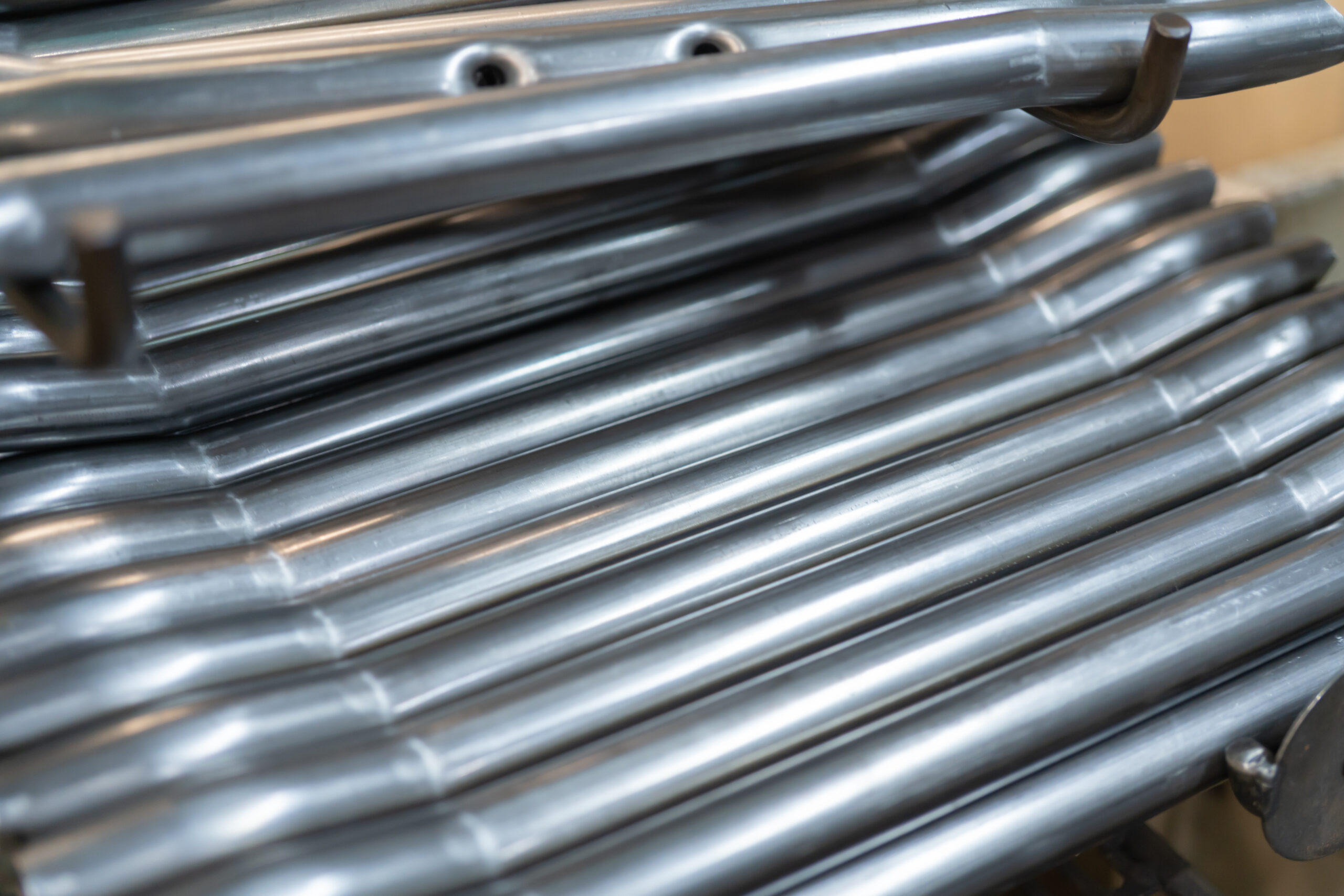
The manufacturing process is what gives DOM tubing its reputation. First, a flat strip of steel is formed into a round tube. The edges are welded together, typically using electric resistance welding. At this stage, the material is still considered welded mechanical tubing.
Next comes the drawn over mandrel process. The tube is pulled through a die while a mandrel supports and shapes the inside diameter. This process cold-works the steel, refining the tube’s dimensions and improving its surface finish. Depending on the required specifications, the tubing may go through additional drawing, heat treatment, or finishing steps. The result is a steel tube that is more controlled and consistent than standard welded tubing.
Why the Mandrel Matters
The mandrel is a major reason DOM tubing performs so well in precision applications. It helps control the internal diameter while the die controls the outside diameter.
That creates a better relationship between the inside and outside of the tube, which is especially valuable when the steel will be machined, bored, honed, or fitted with other components. For example, a machine shop producing bushings, sleeves, shafts, or hydraulic components may require tubing with predictable wall thickness and a clean internal surface. DOM steel helps reduce surprises during machining and can support more efficient production.
Why DOM Steel Performs So Well in Fabrication and Machining
Not every project needs DOM tubing, but many projects benefit from it. The key advantage of DOM steel is consistency. When material dimensions are more predictable, fabricators can work with greater confidence. This may help reduce rework, improve fit-up, and make finished assemblies easier to produce.
Key Benefits of DOM Tubing
Tight dimensional tolerances
DOM tubing is often selected when outside diameter, inside diameter, and wall thickness need to be controlled more closely than standard steel tube.
Improved surface quality
The drawing process helps create a smoother finish, both internally and externally. This can be useful for machining, finishing, coating, or applications where surface condition matters.
Better concentricity
Concentricity refers to how well the inside and outside diameters align. DOM steel typically offers improved concentricity compared with basic welded tubing, helping support more precise machining and assembly work.
Strong mechanical performance
Cold drawing can improve the strength and hardness characteristics of the steel. The exact performance depends on the grade, dimensions, and processing requirements, but DOM tubing is commonly chosen for applications that need dependable mechanical properties.
Reliable fabrication results
DOM steel can be cut, welded, bent, machined, and formed for a wide range of fabrication projects. The right approach depends on the steel grade and wall thickness, but its consistency makes it a practical choice for skilled shops.
Where Mechanical Tubing and Seamless Tubing Are Used
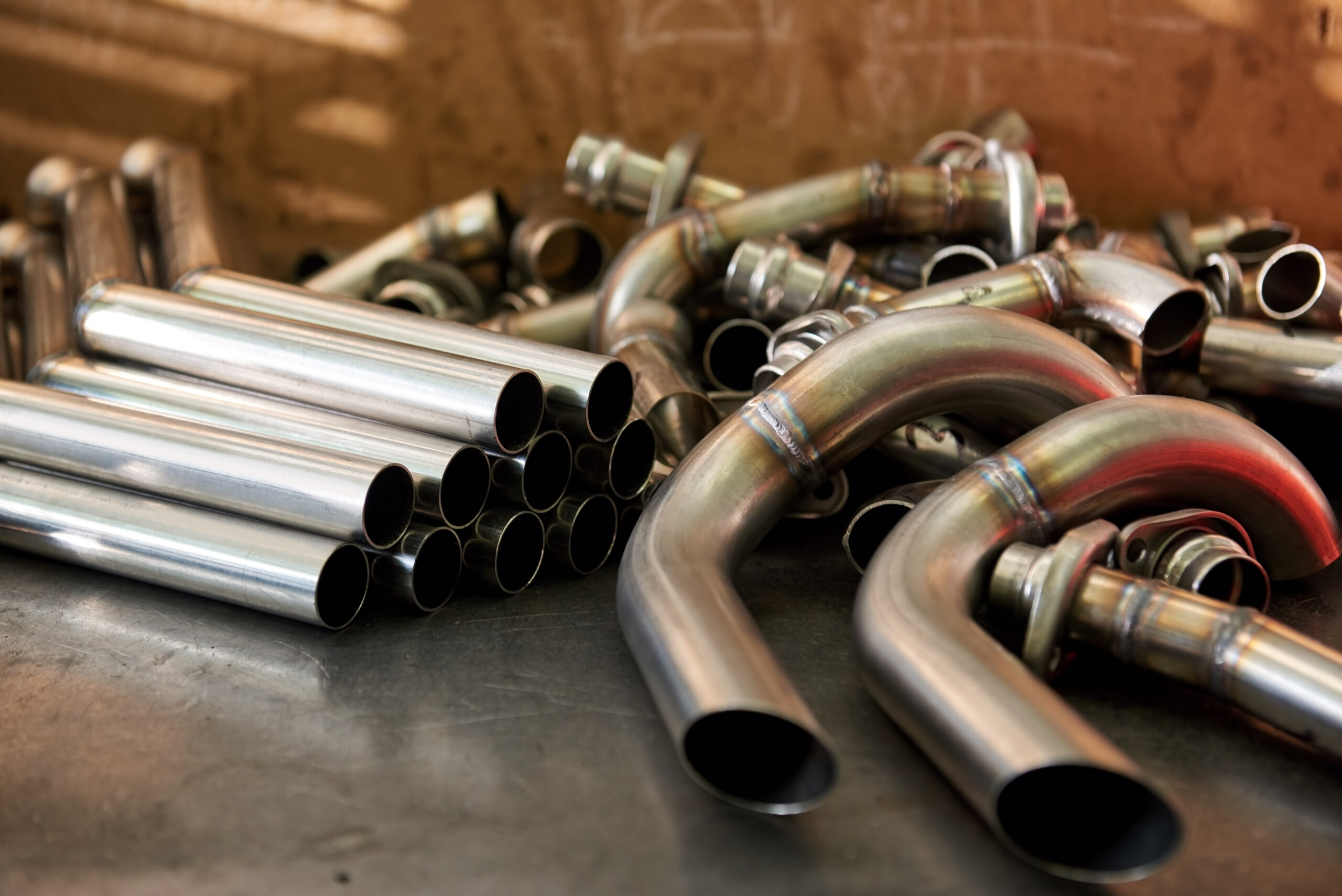
Mechanical tubing, DOM tubing, and seamless tubing all have important places in industrial supply and fabrication. The best choice depends on the performance requirements of the finished part. DOM tubing is commonly used where precision, strength, and appearance are important. Seamless tubing is often considered when the application requires a tube with no weld seam, such as certain high-pressure, high-temperature, or highly demanding mechanical environments.
Common Applications for DOM Steel
DOM tubing is frequently used in:
- Automotive chassis components
- Roll cages and motorsports fabrication
- Equipment frames and structural assemblies
- Agricultural equipment
- Industrial machinery
- Hydraulic cylinders and mechanical sleeves
- Shafting and bushings
- Material handling equipment
- Custom fabrication projects
- Recreational vehicle and trailer components
For many of these applications, the benefit is not simply that the material is strong. It is that the steel is more predictable. A fabricator building a custom frame may value DOM tubing because it bends and fits consistently. A machinist may choose it because the internal diameter is easier to work with. A manufacturer may specify it because consistent tolerances help maintain quality across repeated production runs.
DOM Pipe vs. DOM Tubing
The term DOM pipe is commonly used in searches and casual conversation, but it is important to understand that pipe and tubing are not always interchangeable.
Pipe is typically identified by nominal pipe size and is often selected for fluid conveyance. Tubing is usually measured by outside diameter and wall thickness, making it better suited to mechanical, structural, fabrication, and machining applications.
When ordering steel for a project, it helps to be specific about the intended use. A supplier can then help identify whether DOM tubing, structural steel tubing, mechanical tubing, or seamless tubing is the better fit.
Choosing the Right DOM Tubing Size, Wall Thickness, and Steel Grade
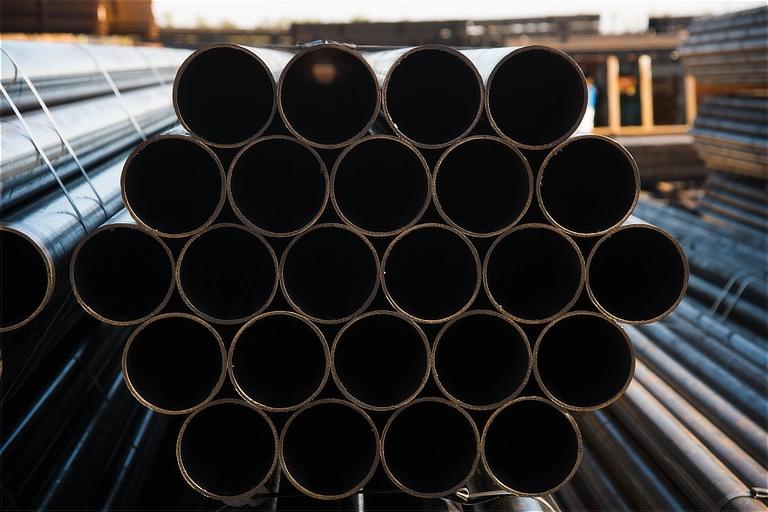
Selecting DOM steel is not just about choosing a diameter. The correct product depends on how the tube will perform in the finished application.
Before ordering DOM Tubing, consider these five factors:
Outside diameter
The outside diameter affects fit-up, compatibility with other parts, bending requirements, and overall structural design.
Wall thickness
Wall thickness influences strength, weight, weldability, and machining allowance. Thicker steel may offer more durability, but it can also add weight and cost.
Inside diameter
For sleeves, bushings, cylinders, or components that require internal machining, the inside diameter may be the most important dimension.
Steel grade
Different steel grades offer different characteristics. Some are better suited to machining, while others may be selected for strength, weldability, or forming performance.
Application requirements
Consider whether the tubing will be welded, bent, drilled, machined, coated, exposed to moisture, or used in a high-stress environment. These details help determine whether DOM tubing is the right solution.
Working with a knowledgeable metals supplier can make this process easier. Rather than selecting material based only on availability, it is worth reviewing the application, tolerances, and fabrication steps before committing to an order.
Find the Right Steel Tubing for Your Next Project
DOM tubing is a versatile steel product that sits between standard welded tube and seamless tubing in terms of precision and performance. Its refined dimensions, smooth surface, and reliable mechanical properties make it a strong choice for fabrication, machining, transportation, industrial equipment, and custom-built components. For projects where fit, strength, and consistency matter, drawn over mandrel tubing can provide a practical and dependable solution.
Millennium Specialty Alloys helps customers source steel and specialty materials suited to their specific application. Whether you need DOM steel for a precision fabrication project, mechanical tubing for industrial use, or guidance comparing tubing options, the right material starts with the right conversation. Talk to our team about your project requirements and let us help you source the right tubing, grade, and material solution with confidence.