
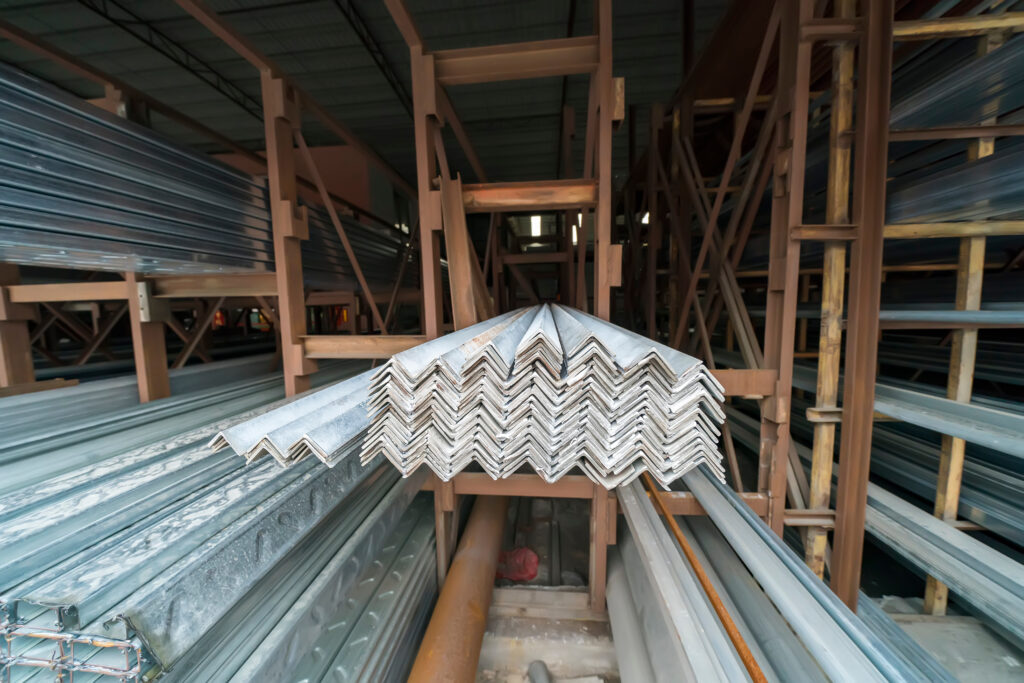
When a project needs strength, stability and a relatively simple metal profile, angle iron is often one of the first materials fabricators and builders consider. Its familiar L-shaped profile may look straightforward, but it can serve an impressive range of purposes, from reinforcing frames and supporting shelves to forming structural components and custom-fabricated assemblies. Choosing the right angle iron involves more than finding a piece that fits. Size, thickness, material, finish and configuration can all influence how well it performs in a particular application.
You may also encounter terms such as steel angle, angle bar, angular bar, angle metal and angle steel while sourcing material. While terminology can vary between suppliers and industries, these terms often describe the same general L-shaped metal profile. At Millennium Specialty Alloys, customers can source a variety of metal products for fabrication, construction and specialized applications. Understanding the differences between available angle products can make it easier to determine what your next project actually requires.
Angle Iron Sizes and Dimensions for Different Applications
One of the first considerations when selecting angle iron is size. The dimensions affect everything from the amount of material available for fastening or welding to the overall strength and weight of the finished assembly. An angle consists of two legs that meet to form its characteristic L-shaped cross-section. Angles can have equal or unequal legs, giving fabricators additional flexibility when selecting material for a particular design or load requirement. Common angle iron dimensions are typically described using the leg dimensions and material thickness. Depending on the product, length will also need to be specified when placing an order.
For example, when comparing angle iron sizes, consider:
Leg dimensions: The width of each side of the L-shaped profile.
Thickness: The thickness of the metal forming each leg.
Length: The overall length required for the application.
Equal or unequal legs: Whether both sides have matching dimensions.
Rather than choosing angle iron based on size alone, consider how the material will actually be used. A lightweight fabricated frame can have very different requirements from a structural support or heavily loaded industrial component. Knowing the required dimensions before ordering can also reduce unnecessary cutting, material waste and fabrication time.
Steel Angle and Angle Bar Types for Different Projects
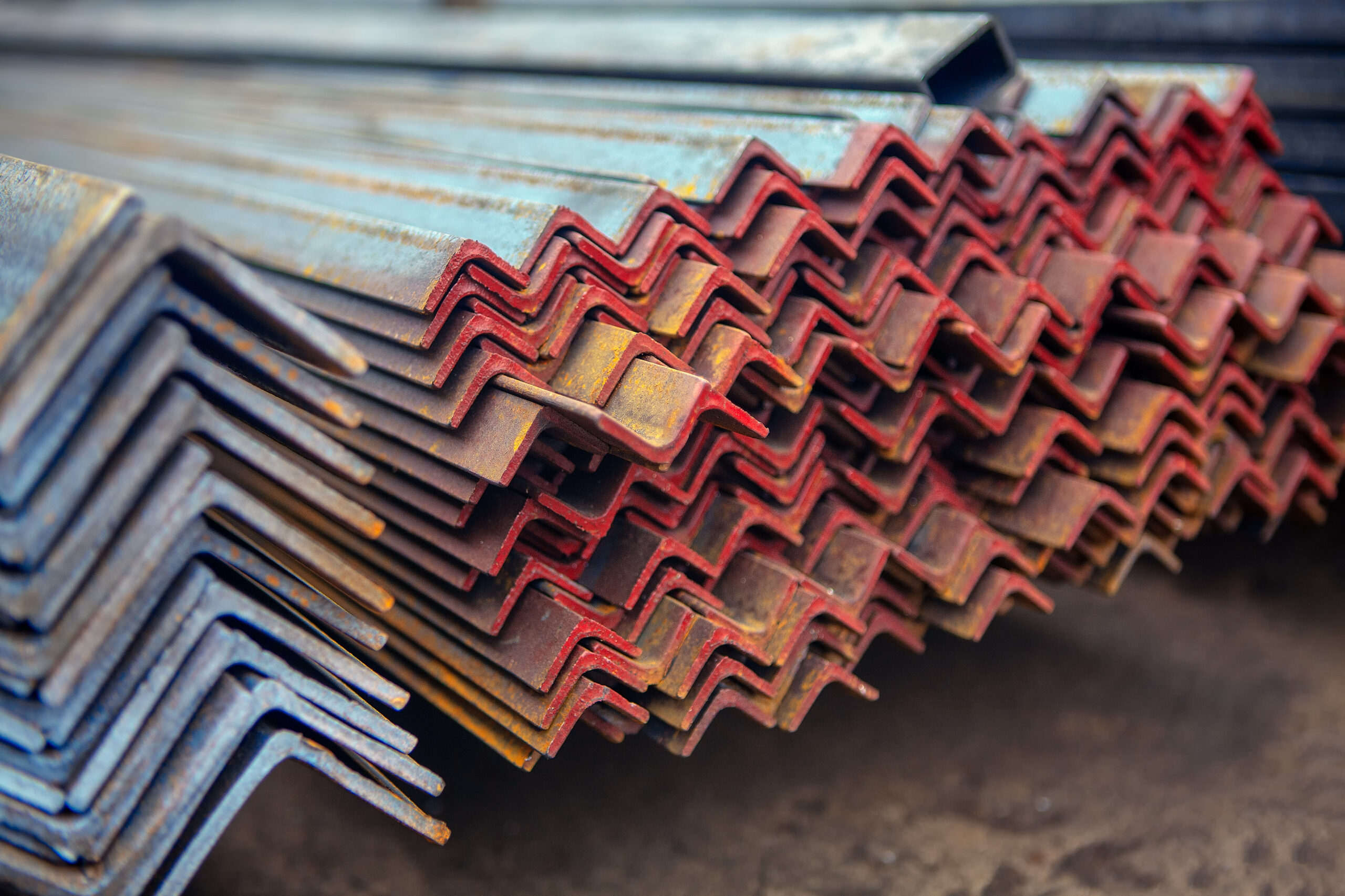
Standard angle iron steel is popular because it combines a practical profile with the versatility of steel. It can be cut, drilled, welded and incorporated into a wide variety of fabricated products. A steel angle can be found in everything from frames and supports to equipment, machinery and building components. The 90-degree profile makes it particularly useful where two surfaces need to meet or where additional rigidity is required along an edge or corner.
An angle bar may be used for applications such as:
- Frames and fabricated structures
- Equipment supports
- Bracing and reinforcement
- Shelving and storage systems
- Gates and fencing components
- Machinery and equipment fabrication
- Custom brackets
- General repair and maintenance work
The term angular bar is also sometimes used when describing this type of profile. Regardless of terminology, it is important to look beyond the name and confirm the actual dimensions, material and specifications. Different types of angle metal are also available. While steel is a common choice, angle profiles can be manufactured from aluminum, stainless steel and other metals. Millennium Specialty Alloys’ product range includes steel angle as well as aluminum angle and stainless steel angle products, allowing the material to be matched more closely to the application. The right choice depends on factors such as strength requirements, weight, environmental exposure, fabrication method and desired finish.
Galvanized Angle Iron for Outdoor and Structural Uses
Exposure to moisture and weather can change what you need from a metal product. For applications where corrosion protection is important, galvanized angle iron can offer an advantage over unfinished steel. Galvanizing protects steel by applying a zinc coating to its surface. Angle products can be hot-dip galvanized, providing additional protection when the material will be exposed to conditions where ordinary steel may be more susceptible to corrosion.
That makes galvanized angle iron worth considering for outdoor structures, exterior supports and other applications exposed to moisture. Potential uses can include exterior framing, fencing components, supports, brackets and outdoor equipment. However, the operating environment still matters. Exposure to chemicals, salt and other corrosive conditions may require a different material or additional consideration.
Fabrication requirements should also be considered before selecting galvanized material. If angle iron needs extensive welding, cutting or modification, the fabrication process can affect the protective coating around the worked areas. Thinking about the finished environment before ordering helps ensure the material and finish are suited to the project rather than simply choosing whatever is most readily available.
Stainless Steel Angle Iron vs. Standard Angle Steel
While standard angle steel works well for many fabrication and structural applications, some projects require greater corrosion resistance or a different finished appearance. That is where stainless steel angle iron becomes an important alternative. Stainless steel contains chromium and, depending on the alloy, can contain nickel, molybdenum and other elements. Its corrosion-resistant properties make it particularly useful where the finished component will encounter moisture or demanding environmental conditions. Standard angle iron, meanwhile, can be a practical option for general fabrication where the environment does not require the characteristics of stainless steel.
When deciding between the two, consider:
Environment: Will the material regularly encounter water, humidity or corrosive substances?
Appearance: Will the metal remain visible as part of the finished project?
Fabrication: How will the material be cut, welded or otherwise processed?
Application: What strength, durability and performance characteristics does the finished component require?
Budget: Does the application actually require stainless steel, or can another type of angle provide the necessary performance?
There is no universal answer. Selecting stainless steel angle iron over standard steel should be based on the project’s actual requirements rather than assuming one material is appropriate for every situation.
Choosing Angle Iron Brackets and Slotted Angle Iron
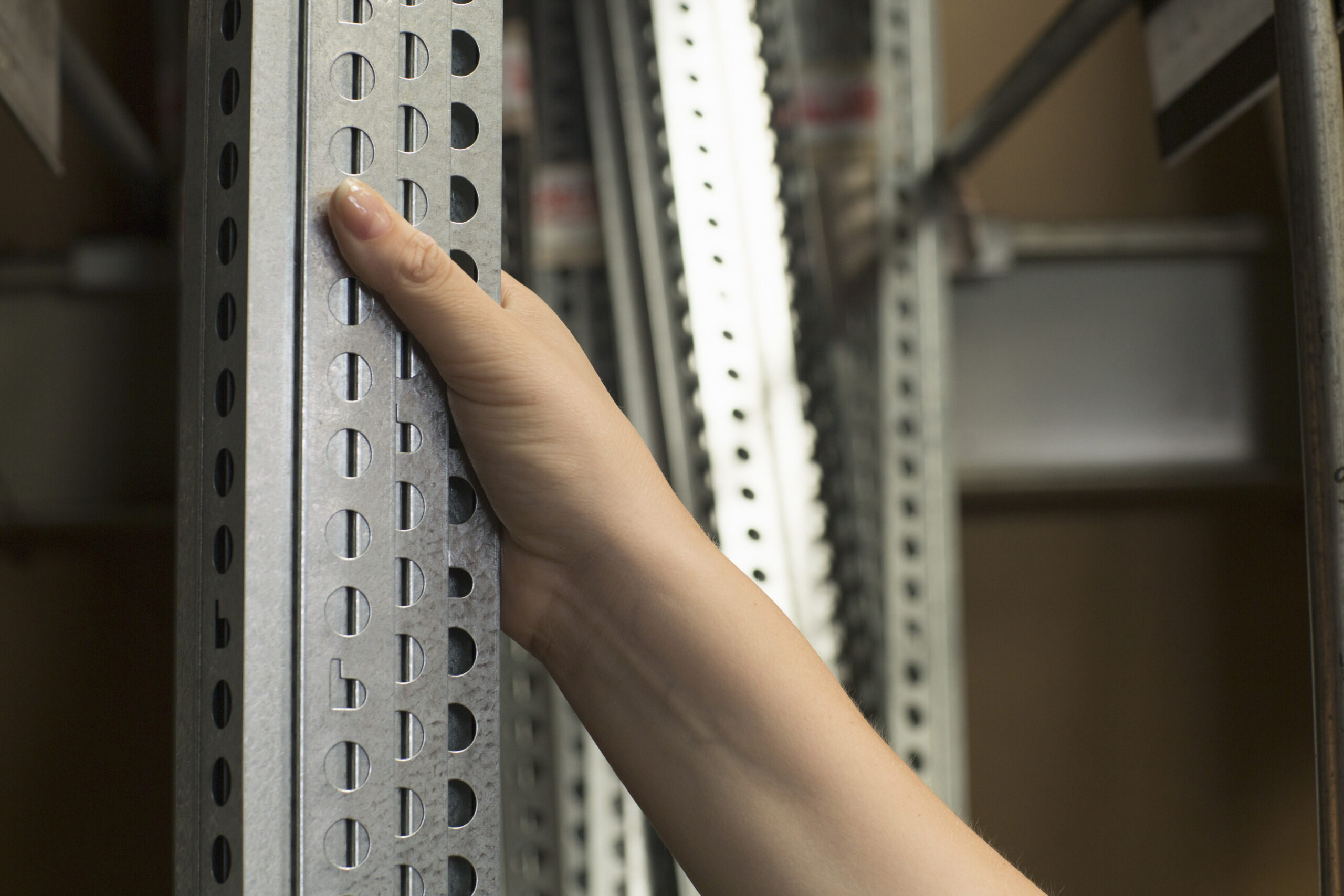
Not every project requires a continuous solid angle profile. Angle iron brackets and slotted angle iron provide additional options for assembly, mounting and adjustable structures. Brackets are useful when a project requires a smaller connection or support rather than a full-length angle iron section. Depending on the design, they can be used to reinforce corners, connect components, mount equipment or provide localized support.
Slotted angle iron, meanwhile, incorporates regularly spaced openings that allow components to be bolted together without drilling every individual connection point. This can make it useful for adjustable shelving, racks, frames and other assemblies that may need to be modified or reconfigured. Solid and slotted profiles serve different purposes. Solid angle iron provides a continuous section that can be cut, drilled or welded according to the design. Slotted material prioritizes flexibility and ease of mechanical assembly.
Before selecting either option, consider:
- Required load and strength
- Permanent versus adjustable construction
- Welding versus bolted assembly
- Indoor or outdoor use
- Required dimensions and thickness
- Material and finish
- Future modifications
Matching these requirements to the available product helps avoid both under-specifying and unnecessarily over-specifying the material.
Find the Right Angle Iron for Your Next Project
From a straightforward steel angle to galvanized and stainless options, choosing the right material starts with understanding how it will be used. Dimensions, thickness, environment, fabrication requirements and finish all deserve consideration. For fabricators in particular, having access to the appropriate product can help keep jobs moving and reduce the time spent adapting unsuitable material.
Millennium Specialty Alloys works with customers who know exactly what they need as well as those who havea general application in mind but need help identifying the appropriate material. With access to steel, aluminum, stainless steel and other metal products, the team can help customers source materials for a wide variety of fabrication and industrial requirements. If you are looking for angle iron, steel angle, angle bar or another metal product for an upcoming project, contact Millennium Specialty Alloys to discuss your specifications and available options.