
Aluminum is everywhere, from structural framing and machine components to boats, vehicles, electrical equipment, and architectural projects. But choosing aluminum is only the beginning. The specific alloy you select can have a major impact on how easily a component can be formed or welded, how much weight it can support, and how well it will stand up to moisture, chemicals, or outdoor exposure. That is why understanding aluminum grades matters.
Different aluminum grades are created by combining aluminum with elements such as magnesium, manganese, silicon, copper, and zinc. These additions change the material’s characteristics, producing aluminum alloys designed for different environments and applications.
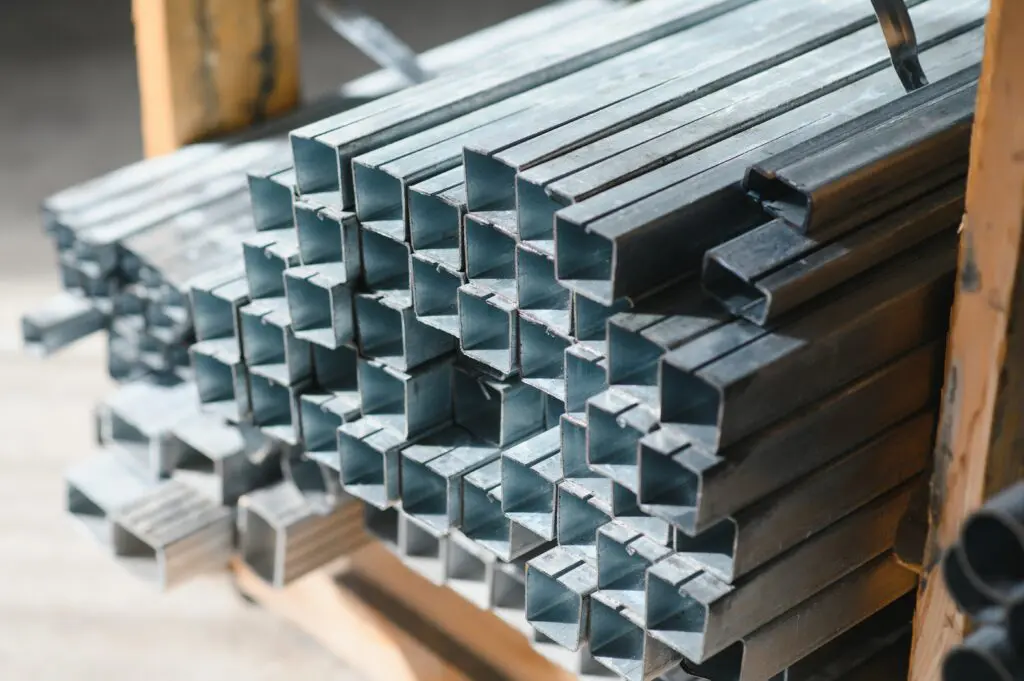
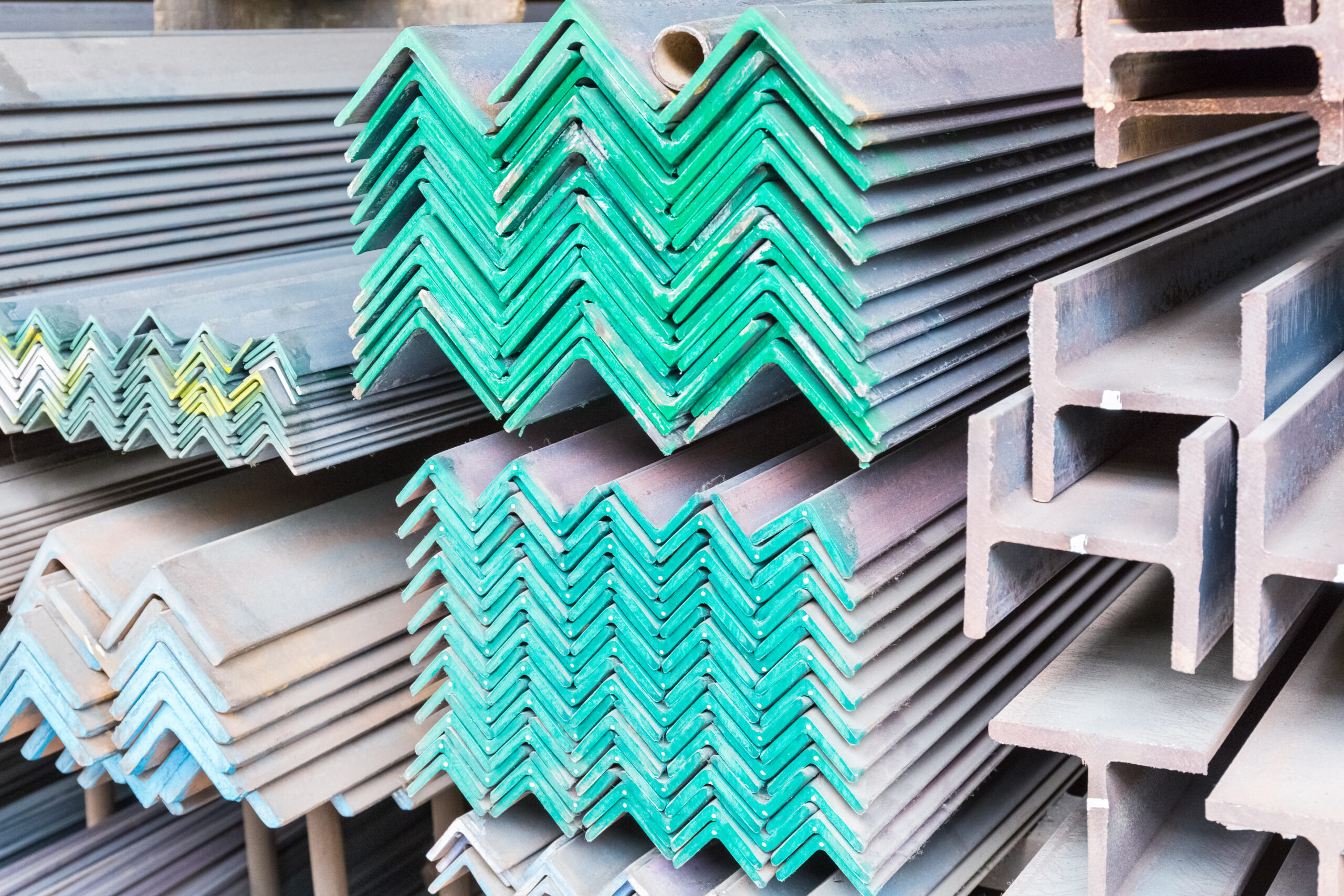
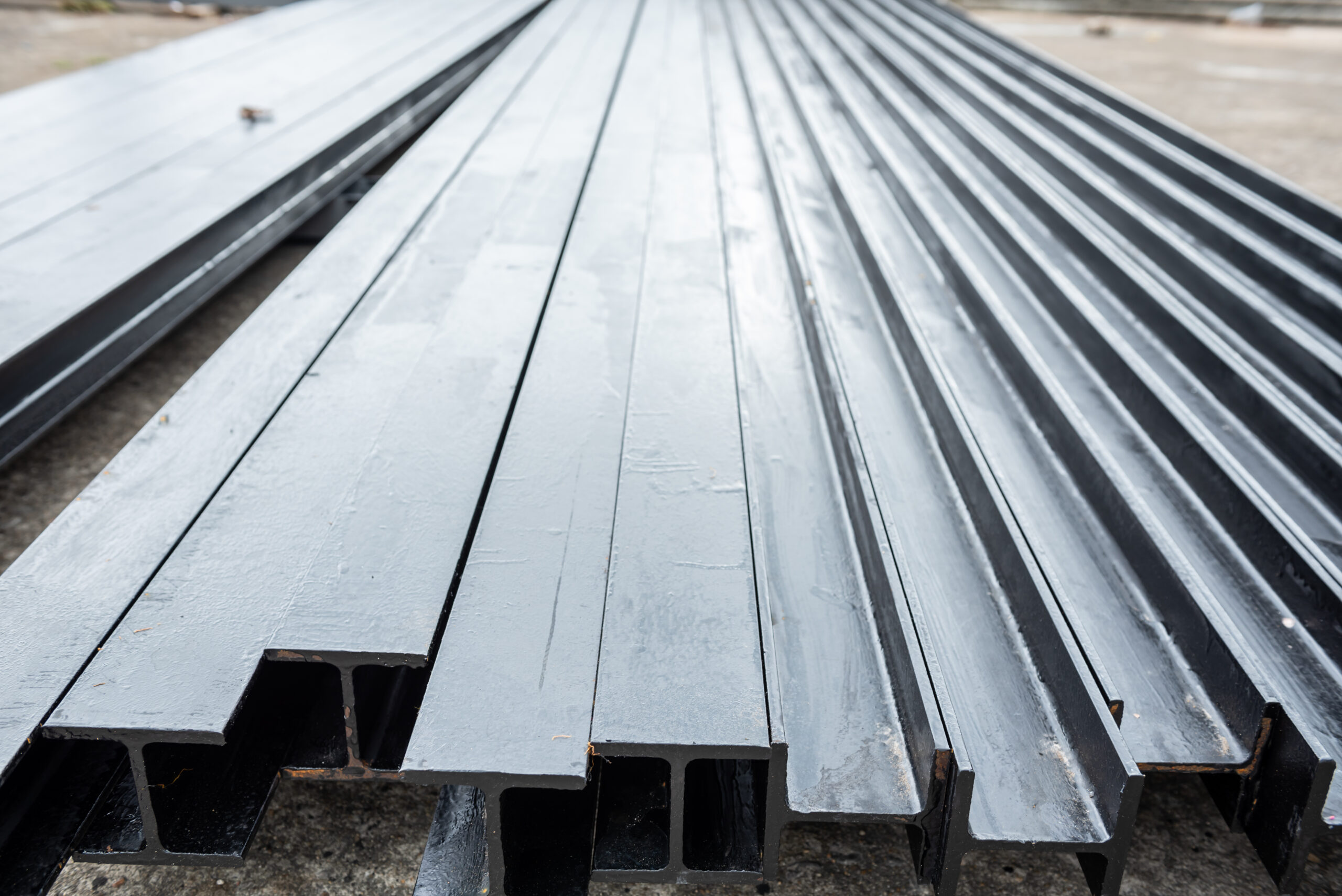
Whether you need aluminum sheet for fabrication, aluminum tubing for a frame, or aluminum bar for machining, choosing the right material starts with understanding what each alloy is designed to do. At Millennium Specialty Alloys, customers can source aluminum in a wide variety of forms, including angles, channels, flat bars, square bars, rods, pipes, tubes, plates, sheets, expanded sheets, and tread sheets.
Making Sense of Aluminum Grades and Alloy Series
There are many types of aluminum, but they are not randomly named. Wrought aluminum grades are generally organized into numbered alloy series based on their principal alloying elements. Understanding these series makes comparing the different grades of aluminum much easier.
Some of the major alloy families include:
1000 series: High-purity aluminum known for excellent aluminum conductivity, corrosion resistance, and formability.
2000 series: Copper-alloyed materials offering higher strength and frequently associated with demanding transportation and aerospace applications.
3000 series: Primarily manganese-alloyed aluminum offering good corrosion resistance and excellent formability.
5000 series: Magnesium-containing aluminum alloys recognized for strength and corrosion resistance, particularly in marine environments.
6000 series: Magnesium-and-silicon alloys that provide a useful combination of strength, corrosion resistance, machinability, and weldability.
7000 series: Zinc is the principal alloying element, creating some of the highest-strength aluminum alloy grades.
The alloy number is only part of the story. Temper designations such as T5 and T6 describe how an alloy has been processed or heat-treated, which can further change its aluminum properties. For example, Millennium Specialty Alloys carries various 6061 aluminum products in T5 and T6 tempers, as well as several 6063 products.
Comparing Aluminum Grades for Strength, Durability, and Corrosion Resistance
There is no single best aluminum alloy. The best choice depends on what you need the material to accomplish. One project may prioritize aluminum strength, while another may need exceptional aluminum corrosion resistance. A third might require material that bends easily or machines efficiently. This is where comparing aluminum grades becomes important.
For example, 1100 aluminum contains a high proportion of aluminum and is valued for characteristics such as conductivity and formability rather than exceptional structural strength. It can be useful for applications involving electrical components, heat transfer, and formed parts.
3003 aluminum offers moderate strength while maintaining excellent formability and corrosion resistance. Typical applications include storage tanks, kitchen products, and decorative components.
6061 aluminum moves further toward the structural side of the spectrum. Its balance of strength, machinability, corrosion resistance, and weldability has made it one of the most versatile aluminum grades for fabricated components, structural applications, automotive parts, and marine uses.
At the higher end of the strength spectrum are certain 7000 series aluminum alloys. These materials are often considered when very high strength-to-weight performance is required, including demanding aluminum for aerospace applications. The strongest aluminum alloy, therefore, is not automatically the right choice for every job. Extra strength may come with trade-offs involving cost, formability, welding requirements, or corrosion performance.
6061 vs 3003 vs 1100 Aluminum: Three Popular Alloys Compared
Among the many aluminum grades available, 6061 aluminum, 3003 aluminum, and 1100 aluminum provide a useful example of how dramatically one aluminum alloy can differ from another.
6061 aluminum
6061 is an extremely versatile alloy where strength and fabrication performance need to work together.
Common aluminum applications can include:
- Structural aluminum components
- Frames and supports
- Machine parts
- Aluminum tubing
- Aluminum flat bar
- Aluminum bar
- Automotive components
- Marine components
- General fabrication
Its combination of mechanical performance, corrosion resistance, weldability, and machinability makes it an attractive option for many fabrication shops.
3003 aluminum
3003 occupies a different niche, it offers less strength than 6061 but performs very well when the project requires forming. Its corrosion resistance also makes it useful for products that may encounter moisture or regular environmental exposure. Typical aluminum uses can include tanks, formed sheet components, kitchen equipment, and decorative applications.
1100 aluminum
1100 aluminum is selected less for structural aluminum strength and more for properties such as conductivity, reflectivity, and formability.
Possible aluminum applications include:
- Electrical components
- Heat exchangers
- Reflective products
- Formed sheet components
- General-purpose fabricated pieces
Comparing these aluminum grades demonstrates why specifying only “aluminum” on a project is often not enough. A fabricator needs to consider both the alloy and the intended application before ordering material.
Matching the Right Aluminum Alloy to Construction, Fabrication, and Manufacturing
Choosing the right aluminum grades becomes easier when the decision starts with the application rather than the alloy number.
Aluminum for construction
Aluminum for construction is popular because the metal combines relatively low weight with corrosion resistance and considerable design flexibility. It can be found in building components, architectural features, framing, supports, and other fabricated systems. Depending on structural requirements, 6000 series aluminum alloys are commonly worth considering where a combination of strength, machinability, and corrosion resistance is needed.
Aluminum for fabrication
Fabricators need to think beyond the final product. Ask how the aluminum will actually move through the shop. Will it be:
- Welded?
- Bent?
- Machined?
- Drilled?
- Cut?
- Extruded?
- Polished?
- Anodized?
An alloy that performs perfectly after installation can still create unnecessary headaches if its workability does not suit the fabrication process. The shape matters as well. Aluminum extrusion makes it possible to produce long profiles with specific cross-sections, while aluminum sheet, aluminum flat bar, and aluminum tubing serve very different fabrication requirements.
Aluminum for marine applications
Moisture exposure puts additional emphasis on aluminum corrosion resistance. Aluminum for marine applications therefore requires careful alloy selection, particularly when parts will experience saltwater, weather, or continuous outdoor exposure.
Aluminum for automotive parts
Reducing component weight while maintaining adequate strength makes aluminum attractive for automotive applications. Different aluminum grades may be used depending on whether the component requires forming, machining, structural performance, or heat management.
Aluminum for aerospace
Aerospace places particularly high demands on strength-to-weight performance. Certain 2000 and 7000 series aluminum alloys are associated with these applications because their compositions can deliver considerably greater strength than commercially pure aluminum. The important takeaway is simple: the application determines the alloy, not the other way around.
Five Factors to Consider Before Selecting an Aluminum Grade
With so many aluminum grades available, narrowing the options can seem complicated. A practical selection process can begin with five questions.
How much strength does the component need?
Determine the loads and stresses the material will experience. Avoid paying for exceptionally high aluminum strength if the application does not require it, but never sacrifice required structural performance simply to reduce aluminum pricing.
What environment will it face?
Consider water, salt, chemicals, heat, weather, and other potential sources of corrosion. Aluminum corrosion resistance can vary between alloy families.
How will it be fabricated?
Welding, machining, forming, bending, and aluminum extrusion can each influence which aluminum grades make sense.
Which product shape does the project require?
Choosing the alloy is only half the specification. You may also need aluminum sheet, aluminum tubing, aluminum flat bar, aluminum bar, plate, pipe, angle, channel, or another profile.
What is actually available?
Material availability, quantity, lead time, and aluminum pricing can influence the practical choice. Sometimes several alloys could technically perform the job, making aluminum supply and sourcing part of the final decision.
Choosing the Right Aluminum Grade Starts With the Right Advice
Understanding aluminum grades can save time long before material reaches the shop floor. Selecting an alloy that matches your strength, corrosion, fabrication, and environmental requirements can improve manufacturing efficiency and help the finished component perform as intended. You also do not have to navigate every aluminum alloy designation on your own.
Millennium Specialty Alloys works with customers who need aluminum materials for fabrication, construction, manufacturing, repair, and custom projects. Beyond simply sourcing material, the team can help customers compare options based on application, availability, and practical performance needs. That relationship-focused approach aligns with the company’s emphasis on product knowledge, responsiveness, flexibility, and helping customers find solutions that fit the job.
Whether you’re comparing 6061 aluminum and 3003 aluminum, sourcing aluminum for construction, searching for an aluminum supplier in BC, or simply trying to understand which aluminum grades make sense for your next fabrication project, speaking with an experienced supplier can help narrow the options.
Need help choosing the right aluminum grade? Explore Millennium Specialty Alloys’ aluminum supply or contact the team for practical material recommendations for your next project.