
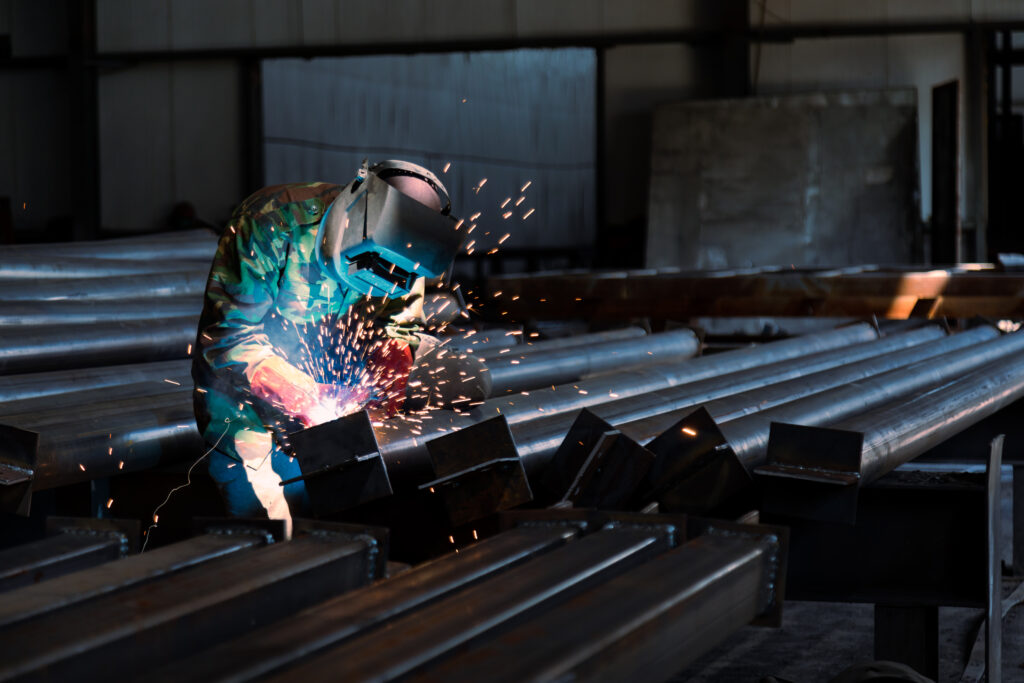
Choosing the right metal can determine how well a finished product performs, how much it costs to fabricate, and how long it remains in service. The steel vs aluminum decision is especially important because both materials are widely used in construction, manufacturing, transportation, equipment repair, and custom fabrication.
At first glance, the choice may seem straightforward. Steel is generally associated with strength, while aluminum is known for being lightweight. In practice, there is much more to consider. Environmental exposure, fabrication methods, structural requirements, maintenance expectations, and the total project budget can all influence which material is the better fit.
The comparison becomes even more detailed when stainless steel enters the conversation. Carbon steel, stainless steel and aluminum each offer different performance characteristics. Understanding these differences can help prevent unnecessary costs, fabrication problems, and premature material failure.
Steel vs. Aluminum: Key Differences in Strength, Weight, and Durability
Before comparing specific applications, it helps to answer a basic question: what is steel? Steel is primarily an alloy of iron and carbon. Additional elements can be introduced to change its strength, hardness, corrosion resistance, machinability, or heat resistance. This is why there are many kinds of steel, including carbon steel, alloy steel, tool steel, and stainless steel. Stainless steel contains chromium and may also include nickel, molybdenum, or other alloying elements. Chromium helps create a protective surface layer that gives stainless steel its well-known resistance to corrosion. Aluminum is a separate metallic element. However, most aluminum products used in fabrication are technically an aluminum alloy. Elements such as magnesium, silicon, copper, or manganese are added to produce specific mechanical and working properties.
When comparing the physical characteristics of steel and aluminum, three differences stand out:
Strength: Steel usually provides greater strength and stiffness for a given shape or thickness.
Weight: Aluminum is significantly lighter, making it valuable when reducing the total project weight is important.
Durability: Both materials can be durable, but performance depends on the grade, environment, surface finish, and intended use.
A heavy steel plate, for example, can provide the strength and impact resistance required for industrial equipment, structural bases, machinery, and high-load applications. Aluminum plate may be preferred for platforms, transportation components, marine fabrication, or equipment where reduced weight improves handling and efficiency.
Stainless steel is often selected when a project requires both strength and corrosion resistance. Food-processing equipment, commercial kitchens, architectural details, chemical environments, and outdoor components may all benefit from stainless steel.
The right material is not automatically the strongest one. It is the material that provides the necessary performance without adding unnecessary weight, expense, or fabrication difficulty.
Comparing the Cost of Steel and Aluminum for Different Projects
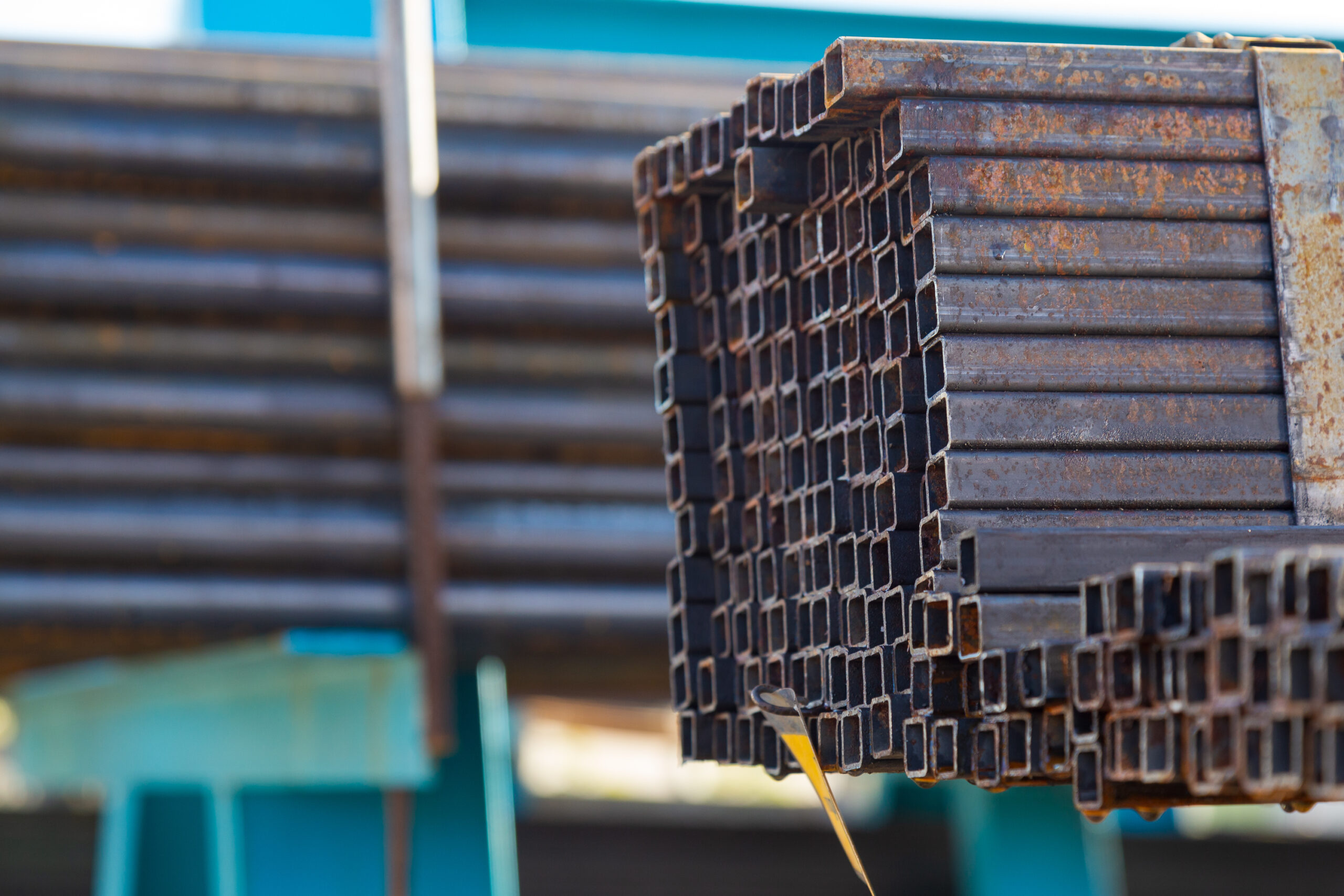
Steel is often more economical than aluminum when comparing basic material costs. Carbon steel is widely available and produced at a large scale through the global steel industry. Its availability makes it a practical option for structural fabrication, equipment manufacturing, brackets, frames, supports, and general-purpose components.
However, steel is heavier. That additional weight can affect:
- Shipping and delivery costs
- Installation labour
- Equipment requirements
- Structural support needs
- Fuel consumption in transportation applications
- Ease of handling during fabrication
Aluminum may cost more per unit of weight, but the finished component may require less total material weight. Reduced transportation and installation demands can offset part of the initial expense.
The same principle applies when comparing aluminum vs stainless steel. Stainless steel may have a higher upfront cost than basic carbon steel, but its corrosion resistance can reduce the need for painting, coating, or frequent replacement. Stainless steel may therefore provide better long-term value in wet, sanitary, coastal, or chemically demanding environments.
A proper cost comparison should consider:
- The price of the raw material
- The amount of material required
- Cutting and fabrication time
- Welding requirements
- Finishing or coating expenses
- Transportation and installation
- Inspection and maintenance
- Expected service life
For Canadian fabricators, material availability also matters. Conditions affecting Canada steel, freight networks, tariffs, and the broader steel industry in Canada can influence lead times and pricing. Similar considerations apply to aluminum supply, especially when a project requires a specific alloy, temper, thickness, or finish.
Working with an experienced steel company or specialty metal distributor can help buyers evaluate more than the initial price. A knowledgeable supplier can recommend alternatives that meet technical requirements while improving availability or controlling overall costs.
Steel vs. Aluminum for Welding, Machining, and Fabrication
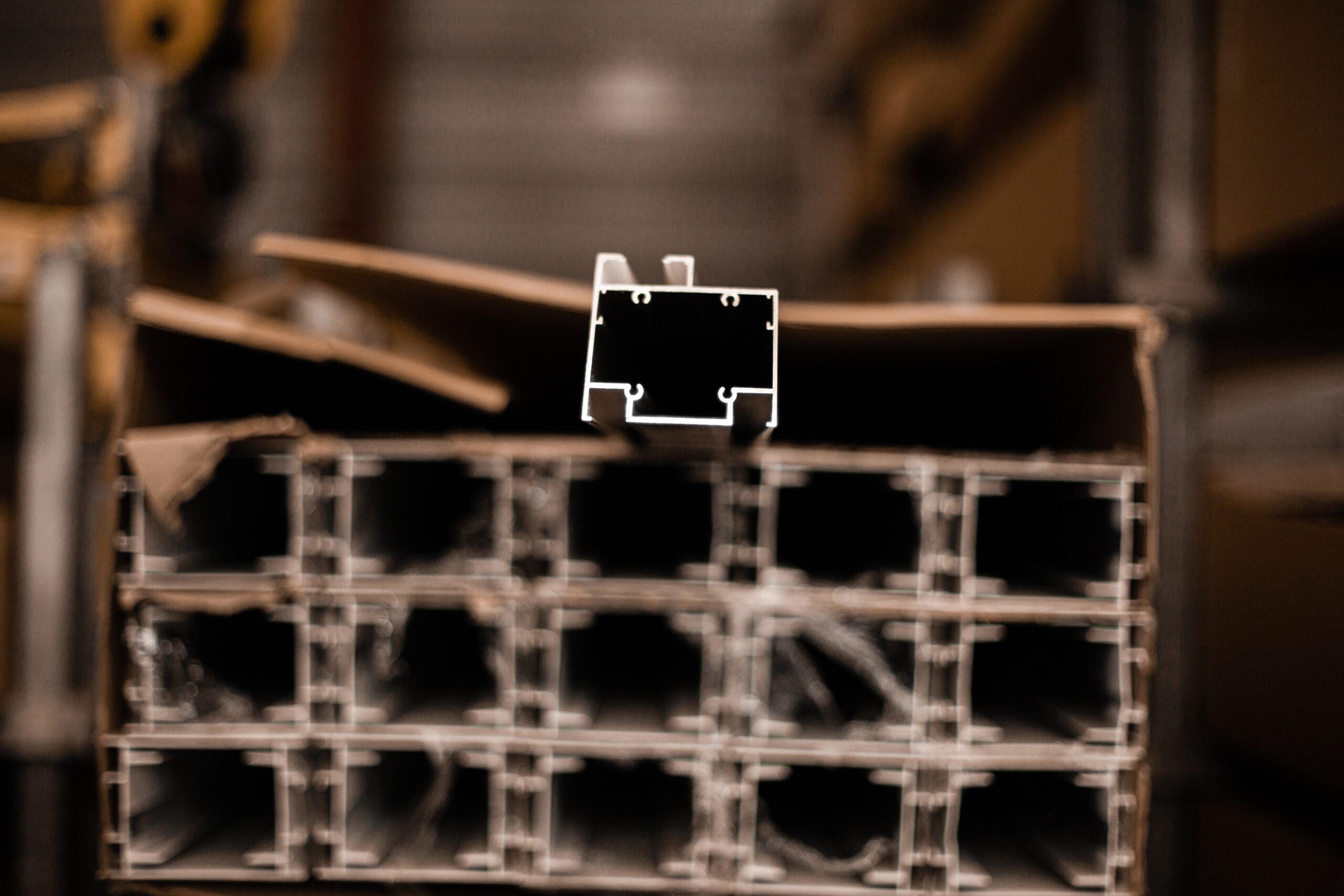
Steel and aluminum behave differently in the shop. A material that performs well in service may still create unnecessary fabrication challenges when paired with the wrong tools, equipment, or process.
Carbon steel is familiar to many welders and fabricators. It can commonly be cut, drilled, bent, formed, and welded using widely available equipment. The predictable nature of many carbon steel grades makes them useful across steel manufacturing, structural work, industrial repair, and custom fabrication.
Stainless steel can also be welded and formed, but it requires greater attention to cleanliness, heat input, filler metal, and surface contamination. Tools previously used on carbon steel can leave behind iron particles that may later create surface rust on stainless steel.
Aluminum requires a different approach. It conducts heat quickly and develops a natural oxide layer with a higher melting temperature than the underlying metal. Successful aluminum welding therefore depends on proper cleaning, technique, shielding gas, filler selection, and equipment settings.
Machining performance also varies by grade. Some aluminum alloys machine quickly and produce clean finishes, making aluminum appealing for precision components. Certain grades of stainless steel can work-harden during machining, requiring appropriate tooling, feed rates, and cutting strategies.
The form of the material is equally important. Sheet metal used for enclosures or panels has different fabrication requirements than bar, tube, angle, or plate. Thin material can distort under excessive welding heat, while thicker material may require more powerful cutting and forming equipment.
When comparing fabrication requirements, consider the following:
- Carbon steel is familiar, weldable, readily available, and suitable for many general fabrication processes.
- Aluminum is lightweight and workable but requires aluminum-specific welding and handling practices.
- Stainless steel is clean, durable, and corrosion resistant but sensitive to contamination and heat management.
- Steel plate is strong and dependable but heavier and potentially more demanding to cut or form.
- Aluminum sheet is easy to handle and useful for lightweight panels, covers, cladding, and enclosures.
Choosing between stainless steel and aluminum should include a realistic assessment of shop capabilities. A theoretically ideal material may not be economical if the fabricator does not have the right machinery, experience, or welding procedures.
Corrosion Resistance and Maintenance: Does Aluminum Rust?
A common material question is: does aluminum rust? Technically, aluminum does not rust because rust is iron oxide, and aluminum does not contain iron. Aluminum can still corrode, but it reacts with oxygen by developing a thin oxide layer. This surface layer generally helps protect the metal beneath it from continued environmental exposure.
Carbon steel behaves differently. When unprotected steel is exposed to moisture and oxygen, rust can develop and continue damaging the surface. Paint, powder coating, galvanizing, plating, or another protective system may be required for long-term outdoor use.
Stainless steel resists rust because the chromium within the alloy forms a protective passive layer. If the surface is properly maintained and exposed to oxygen, that layer can reform after minor damage. This does not make stainless steel completely immune to corrosion, but it allows the material to perform well in many demanding environments.
The aluminum vs stainless steel corrosion comparison depends heavily on the setting. Aluminum can perform very well outdoors, but certain salts, chemicals, and contact with dissimilar metals may accelerate corrosion. Stainless steel is often better suited to applications involving repeated cleaning, sanitation, heat, moisture, or chemical exposure.
Care is also needed when stainless steel and aluminum are installed in direct contact. When dissimilar metals are combined in the presence of an electrolyte such as water, galvanic corrosion can occur. Proper fastener selection, protective barriers, sealants, drainage, and design practices can reduce this risk.
Maintenance requirements should be evaluated before selecting a material:
- Carbon steel may require regular coating inspections and touch-ups.
- Aluminum may require cleaning and protection from aggressive chemical exposure.
- Stainless steel may require routine cleaning to remove salt, contaminants, or deposits.
- Painted or coated products should be inspected for scratches and damaged areas.
- Connections between dissimilar metals should be isolated where appropriate.
This is one reason stainless steel is commonly used in visible, sanitary, and high-moisture settings. Its clean appearance and corrosion resistance can reduce maintenance while supporting a long service life.
How to Choose Between Steel and Aluminum for Your Application
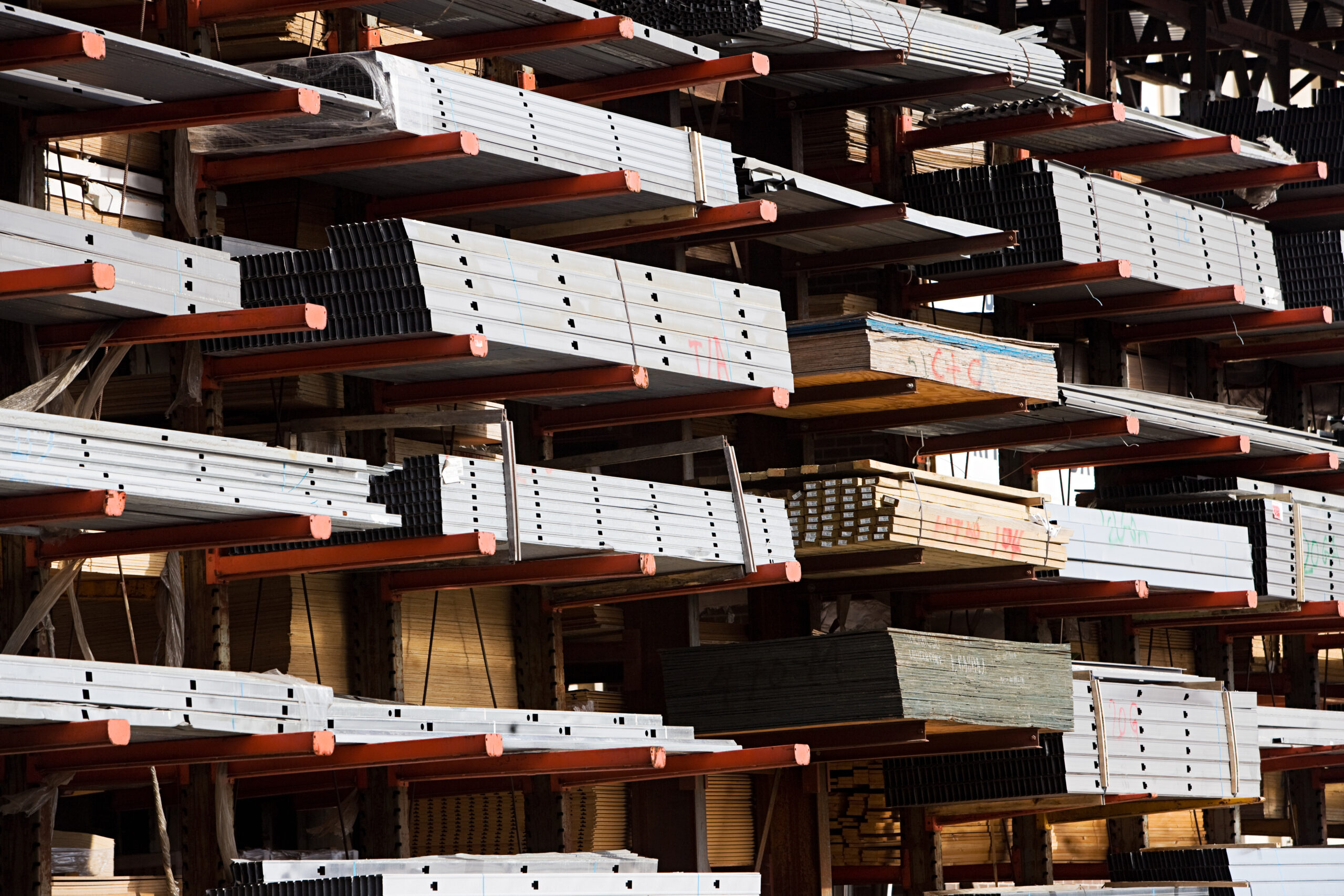
There is no universal winner in the steel vs aluminum debate. The better option is determined by what the finished component must do.
Steel may be the stronger choice when the project requires:
- High structural strength
- Excellent stiffness
- Resistance to impact
- Heavy load capacity
- Familiar welding and fabrication methods
- Economical material for large structures
Aluminum may be preferable when the project requires:
- Reduced weight
- Easier lifting and installation
- Natural corrosion resistance
- Good thermal or electrical conductivity
- Lightweight panels or enclosures
- Improved efficiency in mobile equipment
Stainless steel may offer the best balance when strength, hygiene, appearance, and corrosion resistance are all priorities. It is often selected for food production, architectural applications, commercial equipment, tanks, countertops, railings, marine components, and industrial systems.
To choose confidently, ask five practical questions:
- How much load must the component support?
- Will weight affect transportation or installation?
- Will the metal encounter water, salt, chemicals, or high heat?
- What fabrication processes will be required?
- What is the total lifetime cost, including maintenance?
Find the Right Metal for the Work Ahead
The best material is the one that supports the complete project, from fabrication through installation and long-term use. Steel provides strength, stiffness, and value. Aluminum offers reduced weight, workability, and natural corrosion resistance. Stainless steel combines dependable strength with excellent durability in demanding environments.
Millennium Specialty Alloys supplies steel, stainless steel, aluminum, sheet, plate, tube, bar, angle, and other specialty materials for industrial and custom applications. The company supports customers with material sourcing, delivery, customization, and practical product guidance.
Whether you are comparing steel and aluminum, evaluating stainless steel and aluminum, or sourcing a specific aluminum alloy, sheet metal product, or steel plate, the Millennium Specialty Alloys team can help identify a practical material solution for your project. Explore available products or contact Millennium Specialty Alloys to discuss your specifications, application, and supply requirements.